Conversations about addiction—especially when pornography is involved—can easily become confusing.
This guide will walk you through these misunderstandings in clear, practical language, helping you understand how the brain actually responds to sexual images, sexual stimulation, and addictive patterns of behaviour.
Error #1: “Dopamine does not underlie addiction.”
Dopamine is often misunderstood. It’s true that dopamine does many normal things in the body—helping with movement, motivation, and decision-making. But plenty of online commentary jumps from that fact to the claim that dopamine is irrelevant to addiction. According to every major expert in addiction neuroscience, this simply isn’t true.
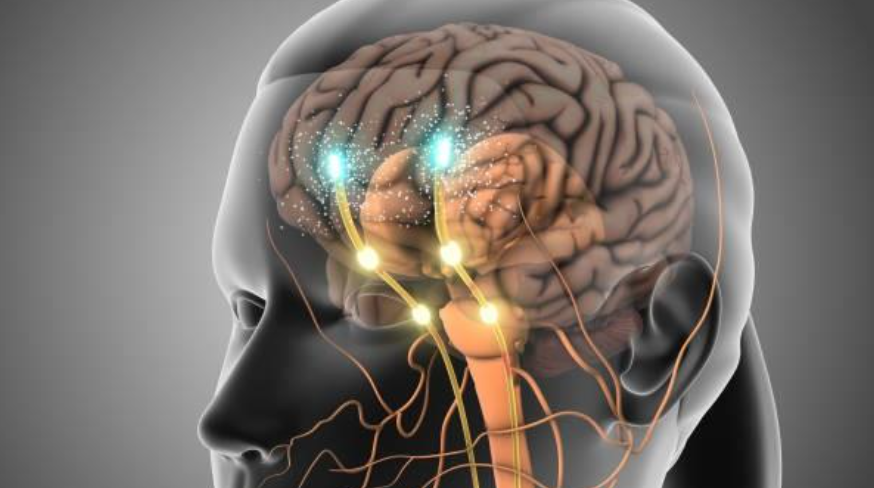
Addiction of any kind—whether to a substance or a behaviour—depends on repeated bursts of dopamine. When someone engages in an activity that the brain interprets as rewarding, dopamine is released. If those bursts are strong and repeated, the brain begins forming powerful learning loops. This process is not unique to addiction; it’s the same kind of learning that helps us form habits. But in addiction, the learning becomes deeply ingrained in ways that override healthy choice.
For example, when someone regularly views pornography, the dopamine spikes associated with arousal pair the reward with whatever cues came right before it—being alone, opening a laptop, scrolling to a certain site, a feeling of stress, or even a specific name or fantasy. Over time, these cues begin to trigger dopamine by themselves. This is why cravings often feel like they come “out of nowhere.”
Another common misunderstanding is that dopamine is the “pleasure molecule.” Dopamine isn’t about pleasure itself—it’s about wanting, looking, anticipating, and seeking. Pleasure chemicals are different. But when dopamine’s “wanting” system becomes overtrained, it can lead to compulsive behaviour—wanting long after the pleasurable effects have faded. This helps explain why someone might continue a behaviour even when they no longer enjoy it or when it begins to harm relationships, work, or mental health.
This learning process is now understood as a major hallmark of addiction. Modern definitions of addiction—including those from the American Society of Addiction Medicine—consider addiction a disorder of reward learning. In other words, it’s not only about behaviour, and it’s not only about chemicals—it’s about how the brain has been trained over time. Once these pathways are reinforced, they become like deep grooves that are easy to fall back into unless someone makes active, sustained efforts to retrain the brain.
Error #2: “Sexual activity is no different from playing with puppies.”
It’s easy to think that if two activities both activate the reward system, they must affect the brain in similar ways. But not all natural rewards have equal neurological impact.
Sexual arousal and orgasm produce some of the highest natural dopamine and opioid levels the brain can generate. In fact, animal studies show that the dopamine surge from sexual stimulation is comparable to the dopamine produced by certain drugs. Other natural rewards—like eating or petting a puppy—activate the reward system, but not nearly as powerfully.
Sexual stimulation is also unique because it activates the exact same nerve cells that drugs like cocaine and opioids stimulate. Food and water do not have that level of overlap. Because of this, sexual arousal has the potential to create stronger learning pathways in the reward system than almost any other natural behaviour.
This does not mean sex is “bad.” It means sex is powerful. It is meant to be reinforcing because it ensures the continuation of the species. But the same power that makes sexual reward natural and important also makes it vulnerable to hijacking.
Addictive drugs exploit these same pathways. So can certain behaviours—especially when they combine high dopamine, novelty, repetition, and emotional triggers. Pornography, in particular, activates these reward circuits much more intensely and consistently than natural sexual experiences.
The brain changes associated with sexual stimulation can be temporary and normal, but pornography’s endless novelty and rapid pace can amplify them. For example, research shows that orgasm leads to temporary reductions in dopamine cell size within a major reward system structure, similar to changes seen with drug use. Other hormonal and neurological shifts also occur exclusively during sexual climax.
An important study in the year 2000 showed that when cocaine addicts viewed pornography, their brains responded almost identically to when they viewed cues related to cocaine use. In contrast, viewing neutral nature scenes created completely different activation patterns. In other words, sexual content lights up the brain in a very specific way—distinct from ordinary pleasure.
No one builds the internet’s most profitable sites around watching puppies. They build them around sexual stimulation because of how strongly the brain responds to it.
Error #3: “Modern porn affects the brain no differently than the static porn of the past.”
Older generations may remember porn as magazines or VHS tapes—limited, slow, and repetitive. Today’s internet pornography is something entirely different. Modern porn delivers:
- Unlimited novelty
- Instant access
- High-definition video and motion
- Algorithm-driven suggestions
- A constant path to more extreme or diverse content
This matters for the brain because novelty triggers dopamine. Research consistently shows that new sexual images produce stronger arousal than familiar ones. When a user can click endlessly to new scenes, they can maintain dopamine spikes far longer than would ever occur in a natural sexual environment.
Scientists call this type of stimulus supranormal—an exaggerated version of something the brain is designed to find rewarding. The Nobel Prize–winning scientist Nikolaas Tinbergen showed that animals could be tricked into preferring artificial, exaggerated versions of natural stimuli, even to their detriment. Modern internet porn functions similarly: a hyper-stimulating version of sexual cues that can override the pull of real relationships and intimacy.
Because today’s porn combines powerful sexual reward with unlimited novelty, it can foster stronger conditioning than older forms of porn. This does not mean everyone who uses porn becomes addicted. But it does mean today’s environment poses higher risks, especially for younger brains, which learn quickly and respond strongly to dopamine.
Why these matters
These three misunderstandings are often spread by people who want to reduce stigma or help others feel reassured. The intention may be good, but the science is clear: the brain plays a central role in shaping sexual behaviour, habits, and addiction. The genitals may be involved in sexual experience, but the brain is the true driver of desire, motivation, and behaviour.
Understanding the brain’s role in pornography use doesn’t imply shame—it empowers people. It explains why certain patterns feel hard to change, why cravings can appear suddenly, and why willpower alone is often not enough. Most importantly, it shows that change is absolutely possible, because the same brain that learns unhealthy patterns can also unlearn them and build healthier ones.
If you or someone you care about is struggling with compulsive pornography use, this knowledge is meant to help—not to blame. With the right support, the brain can adapt, heal, and build new pathways toward healthier, more fulfilling choices.